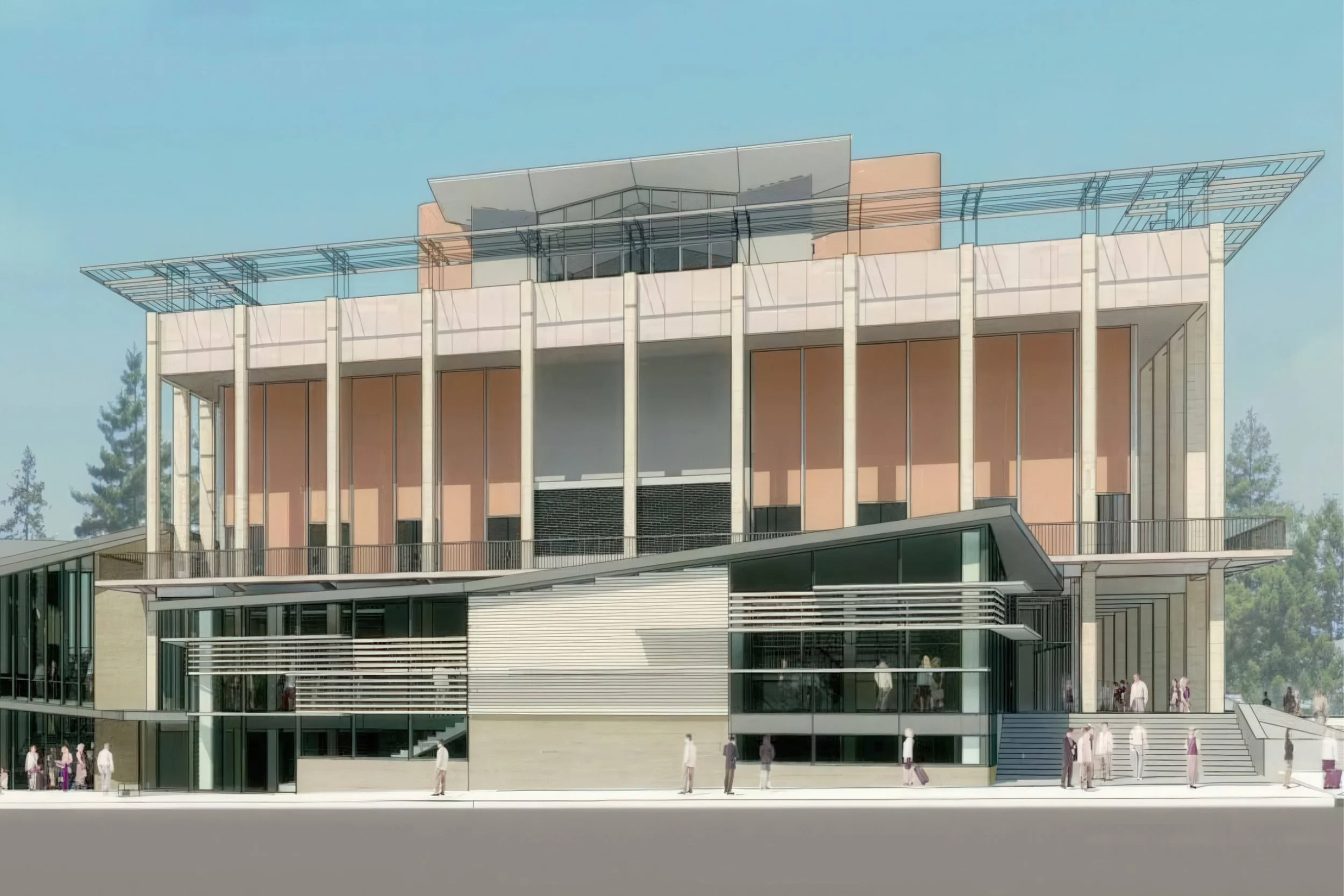
Eshleman Hall
UC Berkeley, CA
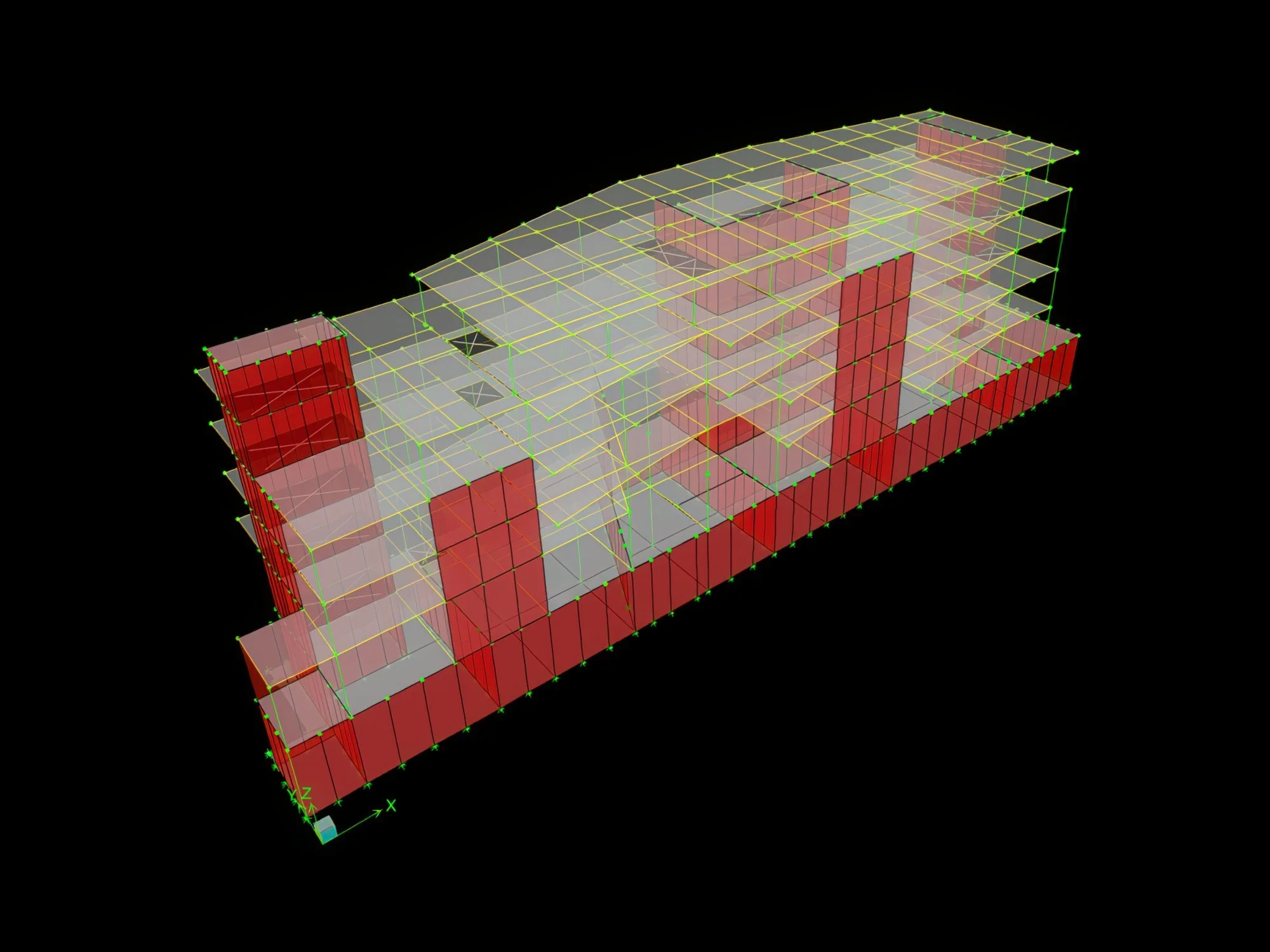
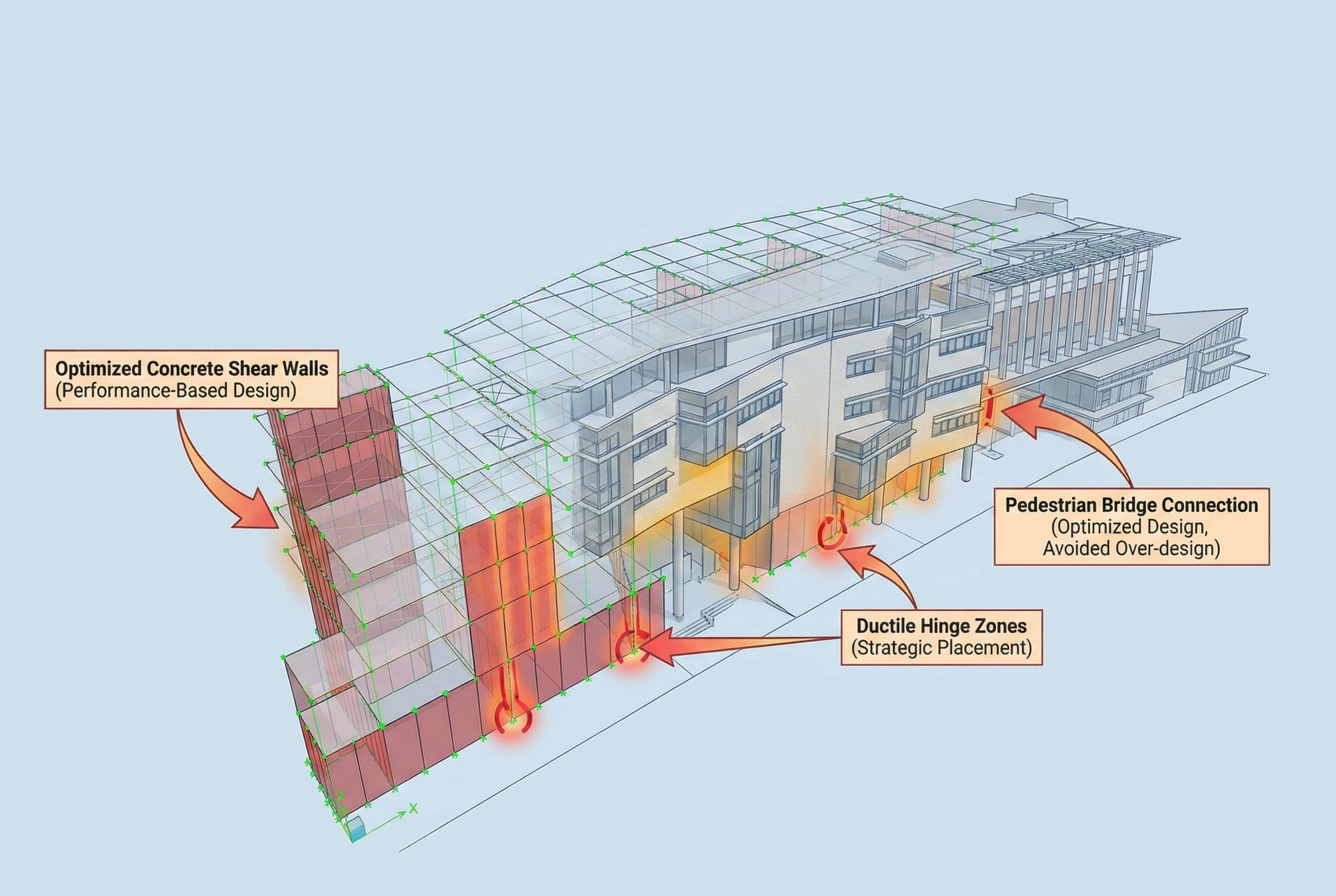
To highlight Kandou’s mindset, consider the design of Eshleman Hall at UC Berkeley. This new 64,800 SF student union building was part of the Lower Sproul redevelopment and replaced an outdated 1960s structure. Most designers would approach a concrete shear wall building with standard code-prescriptive methods. That approach is safe, but it often layers on conservative assumptions that drive up cost and carbon without necessarily improving performance. For Eshleman Hall, the team intentionally chose performance-based seismic design. This was not about adding complexity for its own sake. It was a deliberate choice to achieve reliable seismic performance, to fine-tune how the building would behave during earthquakes, and to avoid over-designing elements like cladding, diaphragms, and the pedestrian bridge that connects to MLK Hall.
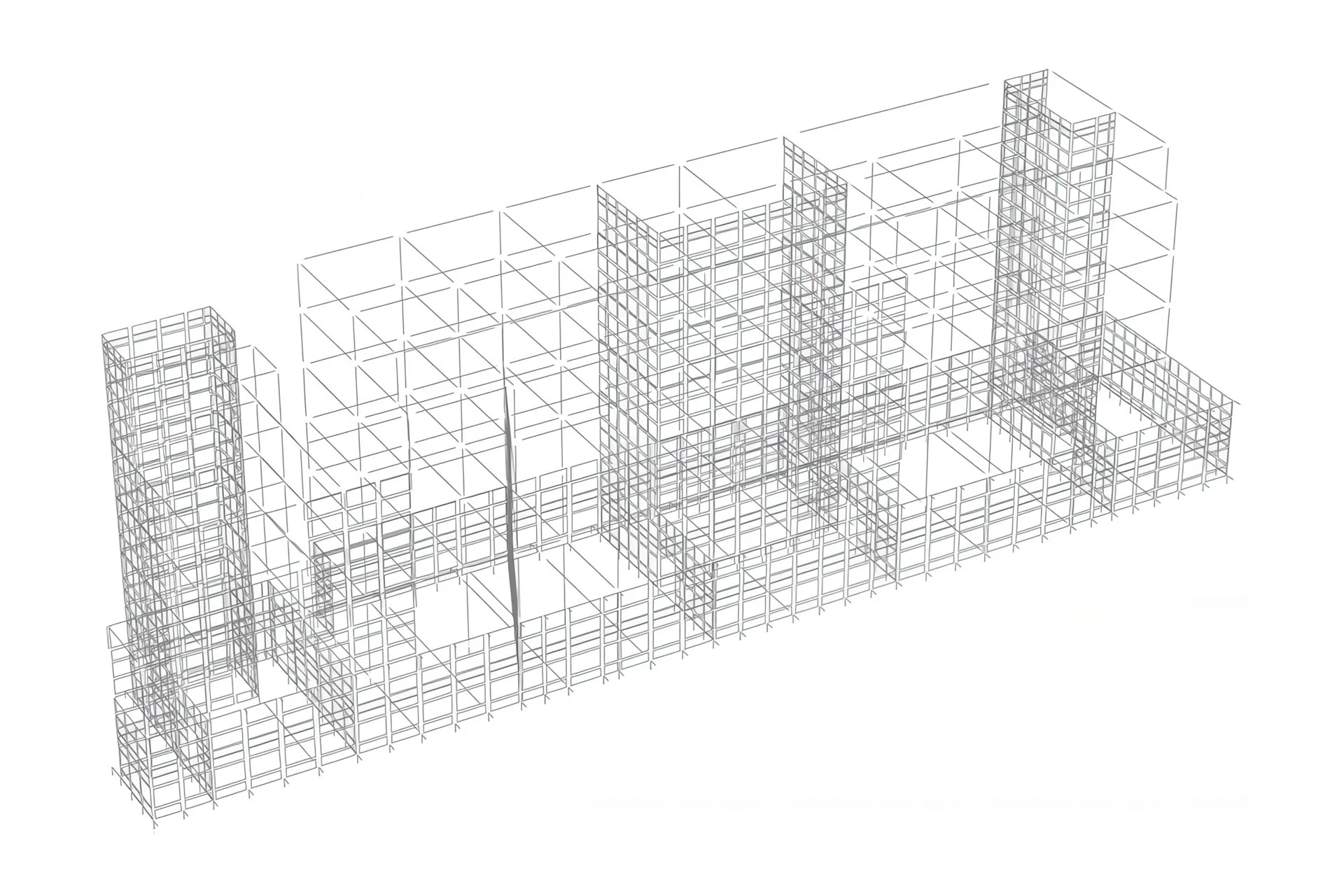
Performance-based design allowed the project team to place ductile hinge zones where they belonged, to confirm realistic drift values, and to optimize the layout of the concrete walls. The outcome was a safer, more resilient, and more sustainable building that met budget while respecting architectural vision. This is the Kandou approach: applying the right tools to expand design freedom while keeping structures adaptive, resilient, and efficient.
This project was presented at the 2017 ACI Concrete Convention in Anaheim, titled “Revitalizing a Community Space Using Performance-Based Seismic Design.”
Architect: Moore Ruble Yudell. Structural Engineer of Record (SEOR): Rutherford + Chekene. Peer Reviewer: Tipping Mar Associates. Kandou’s founder served as the advanced analysis engineer, developing performance criteria, nonlinear response-history models, and coordinating closely with the peer reviewer.
Next
MLK Hall